There’s something deeply satisfying about planning your own trip. You control every detail, save money by cutting out middlemen, and feel the pride of creating your own adventure. In the age of travel blogs, YouTube vlogs, and online booking platforms, self-planning trips has never been easier—or so it seems.
But here’s an uncomfortable truth that doesn’t get discussed enough: self-planning a trip to Varanasi can cross from empowering into genuinely risky territory, and many travelers don’t recognize when they’ve crossed that line until they’re already dealing with the consequences.
I’m not here to scare you away from independent travel planning. I’ve met plenty of travelers who’ve successfully self-planned beautiful Varanasi experiences. But I’ve also talked to travelers who ended up in unsafe accommodations, fell victim to scams, found themselves in medical emergencies without support, or simply had their trips ruined by preventable problems.
So when does self-planning Varanasi move from smart independence into dangerous overconfidence? What are the warning signs that you’re taking on more risk than you realize? And how can you assess whether you should seek professional help or whether you’re genuinely equipped to handle it yourself?
Let’s have an honest conversation about the risks that travel bloggers often gloss over and tourism boards certainly won’t advertise.
Understanding the Varanasi Planning Challenge
Before we discuss risk, we need to understand what makes Varanasi uniquely challenging.
What Makes Varanasi Different from Other Indian Cities
If you’ve successfully self-planned trips to Mumbai, Jaipur, or even Delhi, you might assume Varanasi is similar. It’s not. Here’s why:
Infrastructure gaps: Varanasi lacks the tourist infrastructure of major Indian cities. Many areas aren’t accessible by vehicle. GPS doesn’t work reliably in the narrow old city lanes. Street signs are minimal or nonexistent. What looks like 200 meters on a map might involve navigating a maze that takes 30 minutes.
Linguistic barriers: English proficiency is lower than in metropolitan areas. Many service providers speak primarily Hindi or Bhojpuri. Miscommunication isn’t just inconvenient—it can lead to wrong medications, wrong destinations, or misunderstood agreements.
Unregulated tourism sector: Unlike destinations with strong tourism regulation, Varanasi has countless unregistered guides, unlicensed boat operators, and businesses operating without oversight. Online reviews can’t always distinguish between legitimate operators and clever scammers.
Intensity and overwhelm: Varanasi assaults your senses in ways that can impair judgment. First-time visitors often describe feeling disoriented and overwhelmed, making them vulnerable to poor decisions and predatory practices.
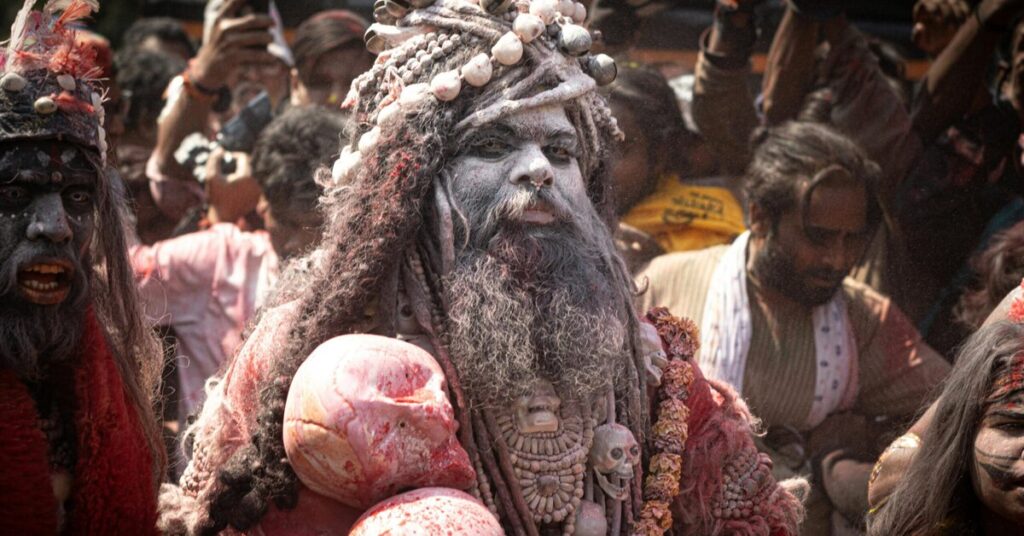
Cultural complexity: Understanding appropriate behavior at cremation ghats, temples, and ceremonies requires knowledge that blog posts often oversimplify. Cultural mistakes can range from embarrassing to genuinely offensive to potentially dangerous.
The Gap Between Online Information and Ground Reality
Here’s a critical problem: most online information about Varanasi is either outdated, overly optimistic, or written by people who visited for 2-3 days and think they understand the city.
Travel blogs often feature the best-case scenarios—beautiful sunrise photos, heartwarming interactions, smooth logistics. They rarely detail the hotel that looked great online but was actually filthy, the “experienced guide” who was incompetent, the food poisoning that derailed two days, or the scam that cost them money.
Review platforms have their own issues. Hotels know how to game review systems. Negative reviews get buried or explained away. Photos can be heavily edited or taken from flattering angles. What you see online often bears little resemblance to what you encounter on the ground.
This information gap means self-planners make decisions based on incomplete or inaccurate data. You think you’re making informed choices, but you’re actually flying partially blind.
Who Is Most at Risk When Self-Planning
Risk isn’t uniform. Some travelers are much more vulnerable than others.
First-Time India Travelers
If Varanasi is your first India experience, self-planning carries significant risk. You lack the cultural context to read situations, identify red flags, or navigate challenges that experienced India travelers handle instinctively.
First-timers don’t yet understand how to negotiate effectively, which transportation offers are legitimate, what constitutes a fair price, or when someone is genuinely helping versus setting up a scam. This naivety—not stupidity, but simply lack of experience—makes you a target.
The sensory overload of India is also much more intense for first-timers. When you’re already overwhelmed by the crowds, noise, smells, and chaos, your decision-making suffers. You might agree to things you’d normally question or miss warning signs you’d otherwise catch.
Solo Female Travelers
Solo female travelers face additional risks in Varanasi that male travelers or couples don’t encounter to the same degree. While most interactions are perfectly safe, the reality is that women traveling alone do attract unwanted attention and occasionally face harassment or worse.
Self-planning solo means you don’t have the protective buffer of a known guide or tour operator who provides accountability. You’re navigating alone through spaces where you might be the only woman, dealing with touts and guides who may have ulterior motives, and staying in accommodations where your safety depends entirely on your vetting process.
This doesn’t mean solo female travelers can’t self-plan Varanasi—many do successfully—but the risk calculation is different, and the margins for error are smaller.
Families with Young Children
Families self-planning with children face unique risks because your vulnerabilities multiply. You’re not just keeping yourself safe—you’re responsible for children who don’t understand the risks and can’t protect themselves.
Self-planning families might choose accommodations that looked fine online but have safety issues children could encounter—open stairwells, balconies without proper railings, electrical hazards. They might unknowingly book hotels in areas where children encounter disturbing scenes. They might end up in situations where children get sick and parents don’t know where to find proper medical care.
The logistics are also exponentially more complex. Miss a connection, end up in the wrong area, or have plans fall apart, and you’re dealing with tired, hungry, possibly scared children while trying to solve problems in an unfamiliar environment.
Elderly or Mobility-Challenged Travelers
Varanasi’s physical environment presents serious challenges for anyone with mobility limitations. The ghats are steep stairs, often uneven and without railings. Old city lanes are narrow, crowded, and difficult to navigate even for able-bodied people.
Self-planners with mobility challenges often don’t realize until they arrive how inaccessible Varanasi actually is. That ghat-side hotel you booked might require climbing 50 narrow steps with no elevator. The “accessible” room might not meet any real accessibility standards. The rickshaw driver might not be able to get you close to where you need to go.
Without professional help, elderly or mobility-challenged travelers risk finding themselves in situations where they literally cannot access the experiences they came for—or worse, risk injury attempting to navigate environments beyond their physical capabilities.
Travelers with Tight Schedules
If you’re self-planning with limited time—a quick one or two-day visit—you have no buffer for things going wrong. Miss your morning boat ride due to a miscommunication, and you’ve lost a significant chunk of your limited time. Choose a badly located hotel, and you waste precious hours in transportation.
Tight schedules combined with self-planning create a perfect storm where small mistakes cascade into major problems. You don’t have extra days to recover from errors, and the pressure to make the most of limited time can push you into rushed decisions that create further risks.
The Seven Critical Risk Areas
Let’s examine the specific ways self-planning can become dangerous.
Accommodation Risks
Your hotel choice affects everything—safety, rest, health, and your base of operations. Self-planners face these accommodation risks:
Safety vulnerabilities: Hotels you find online might lack basic security. I’ve heard stories of accommodations with no locks on doors, ground-floor rooms accessible from the street, or locations in isolated areas. One traveler described booking what looked like a charming heritage property, only to find it was in a nearly abandoned building with no staff present at night.
Hygiene nightmares: Photos can lie spectacularly. That picturesque room might have bedbugs, non-functional bathrooms, or cleanliness standards that make you sick. One family reported booking a “clean family hotel” that turned out to have visible mold, broken fixtures, and no hot water despite promises.
Location problems: Some hotels require navigating narrow lanes with luggage—nearly impossible for families or elderly travelers. Others are far from attractions despite claiming to be “centrally located.” Self-planners often discover these issues only upon arrival, when changing hotels becomes a logistical nightmare.
Bait-and-switch schemes: Some properties show photos of their best rooms but put you in completely different accommodations. Without a reputable booking agent as intermediary, you have little recourse.
Safety and Security Concerns
Physical safety risks manifest in multiple ways.
Scams and Fraud
Varanasi has a well-developed scam ecosystem that targets tourists. Self-planners lacking local knowledge fall victim to:
The “silk shop” scam: A friendly guide offers to show you around free or cheap, then pressures you to visit their “family’s silk shop” where you face aggressive sales tactics and vastly overpriced goods.
Fake guides: People claiming to be licensed guides who are actually untrained touts looking to extract money or lead you to commission-paying businesses.
Boat scams: Agreeing to one price for a boat ride, then being charged much more or being taken on a shortened route. Some boatmen take tourists to remote spots and demand additional payment to return.
Temple “priest” schemes: Fake priests at temples who perform “special ceremonies” for tourists, then demand exorbitant payments while suggesting you’ve incurred spiritual debt if you don’t pay.
Gem and postal scams: Being talked into “helping” send gems or goods abroad with promises of profit, which is actually a smuggling setup that can get you in serious legal trouble.
Professional guides and reputable tour operators shield you from these scams through established relationships and accountability. Self-planners navigate this minefield alone.
Physical Safety in Crowded Spaces
The ghats during major ceremonies can become dangerously crowded. Crushes and stampedes have occurred. Without someone who knows how to navigate crowds safely, position you appropriately, and recognize when situations are becoming dangerous, you’re making safety judgments without adequate information.
Women have reported being groped in crowds, pickpockets target distracted tourists, and children can easily get separated from parents in the throngs of people.
Health and Hygiene Hazards
Health risks in Varanasi are real and can range from minor nuisances to serious emergencies.
Food and water: Self-planners making their own restaurant choices without local knowledge frequently get sick. That street food stall that looks busy might use contaminated water. That restaurant with good reviews might have had a change in management. Knowing which establishments are genuinely safe requires current local knowledge.
Air quality: Varanasi’s air pollution can trigger respiratory issues, especially during cremation smoke-heavy times. Travelers with asthma or other respiratory conditions need to plan accordingly, but self-planners often don’t realize the severity until they’re struggling to breathe.
Medical emergencies: Getting sick or injured in Varanasi and not knowing where quality medical care exists is genuinely scary. Self-planners might waste crucial time searching online for clinics or end up at substandard facilities. I’ve heard of travelers with serious infections who lost days to inadequate treatment before finding proper care.
Medication issues: Needing medicine in Varanasi and not knowing which pharmacies are reputable, what equivalent medications to ask for, or how to communicate with pharmacists creates risk of wrong medications or delays in treatment.
Transportation Pitfalls
Getting around Varanasi presents multiple hazards for self-planners:
Airport/train station arrival: This is when you’re most vulnerable—tired, disoriented, with luggage. Taxi and rickshaw touts swarm arrivals, offering transportation at inflated prices or taking circuitous routes to drive up the fare. Some take tourists to “partner hotels” claiming your booking doesn’t exist, hoping you’ll stay at their commission-paying property instead.
Navigation nightmares: GPS doesn’t work well in the old city. Self-planners get lost regularly, waste hours, and sometimes end up in unsafe areas. One family described spending two hours trying to find their hotel, dragging luggage through increasingly narrow lanes while children cried.
Unreliable transportation: That auto-rickshaw driver you arranged might not show up. That private car you booked might be in terrible condition or driven by someone with no insurance. Without professional arrangements, you’re at the mercy of whoever you randomly connect with.
Vehicle safety: Many vehicles in Varanasi don’t meet basic safety standards. Self-planners rarely check things like seatbelts, insurance, or driver credentials that reputable companies verify automatically.
Cultural Missteps with Serious Consequences
Cultural mistakes can range from embarrassing to actually dangerous:
Temple violations: Some temples have strict rules about photography, which shoes to remove and where, and conduct inside. Breaking these rules can trigger confrontations with priests or worshippers. Self-planners often don’t know these rules until they’ve already violated them.
Cremation ghat etiquette: Taking photos at cremation ghats is deeply offensive and can result in angry confrontations or even physical altercations. Self-planners without guidance often don’t understand where the boundaries are.
Dress code violations: Inappropriate clothing at religious sites can result in denied entry, but it can also attract unwanted attention or harassment. Self-planners sometimes don’t realize the severity of dress codes until facing consequences.
Unintentional offense: Certain gestures, behaviors, or interactions that seem innocent can be offensive in Hindu culture. A guided presence helps you navigate these subtleties; self-planners learn through embarrassing or hostile reactions.
Financial Vulnerabilities
Money problems in Varanasi can cascade quickly:
Overpaying systematically: Without local knowledge, self-planners typically overpay for nearly everything—hotels, transportation, activities, food, shopping. What you think is a “good deal” might still be 2-3x what locals pay. Over several days, this adds hundreds of dollars to your costs.
Being unable to dispute charges: When a boatman or guide demands more money than agreed, self-planners often pay rather than confronting the situation. Aggressive demands for tips or additional fees are common, and without an agency or guide to intervene, you’re isolated.
ATM and card fraud: Using random ATMs or giving cards to establishments without knowing which are safe creates fraud risk. Self-planners might not know which banks’ ATMs are reliable or which restaurants handle cards securely.
Emergency funds depletion: If something goes wrong—you get sick, miss connections, need last-minute arrangements—self-planners often pay premium rates for emergency solutions. That buffer you budgeted disappears fast.
Emergency Situations Without Support
This is perhaps the scariest risk: something goes seriously wrong and you have no support system.
Medical emergencies: A traveler has a serious accident, heart attack, or severe illness. Without a tour operator or guide relationship, you’re calling random hospitals or clinics, trying to communicate in a medical emergency, uncertain about care quality, and handling payment and insurance issues alone.
Legal problems: You’re accused of something—even falsely. Maybe it’s a scam where someone claims you damaged something, or a misunderstanding escalates. Without representation or local connections, navigating India’s legal system is nightmarish.
Lost documents: Your passport gets stolen. Self-planners must navigate reporting it, getting police reports, contacting embassies, and arranging temporary documents without local assistance.
Natural disasters or civil unrest: Floods, riots, or other emergencies occur. Tour companies have evacuation plans and resources; self-planners must figure everything out in crisis mode.
Family emergencies back home: You need to leave immediately due to an emergency. Self-planners must rebook everything themselves, possibly losing deposits, while dealing with grief or stress.
In these situations, having professional support—a tour company, a hotel with excellent concierge services, or a local guide with connections—can be literally lifesaving. Self-planners face these crises alone.
Red Flags That Your Self-Planning Is Becoming Risky
How do you know when your self-planning has crossed into dangerous territory? Watch for these warning signs:
You’re ignoring consistent advice: If multiple sources warn against something you’re planning, but you’re dismissing the warnings as “overcautious,” you might be in denial about risk.
Your backup plans have backup plans: If you’re developing contingencies three layers deep because you’re worried about everything going wrong, that anxiety might be telling you something.
You’re cutting corners on safety to save money: Choosing the cheapest hotel despite safety concerns in reviews, or skipping travel insurance, or booking unlicensed operators because they’re cheaper—these are red flags.
You can’t answer basic safety questions: Where’s the nearest hospital? What’s your plan if someone gets separated from the group? How will you handle a medical emergency? If you don’t have clear answers, you’re unprepared for realistic scenarios.
You’re overwhelmed during planning: If planning feels completely overwhelming—not just detailed, but genuinely beyond your capacity—that’s your intuition telling you that you need help.
You’re taking advice from random internet strangers: If you’re asking critical safety questions on Facebook groups or Reddit and following advice from anonymous people with unknown qualifications, you’re building your plan on questionable foundations.
You have no local emergency contacts: If your only resource in an emergency is Google, you’re dangerously unprepared.
You’re lying to yourself about your experience level: “I’ve traveled in Southeast Asia, so India will be similar.” No, it won’t. Recognizing gaps in your experience is wise, not weak.
Real Stories: When Self-Planning Went Wrong
Let me share some real experiences (names changed) that illustrate these risks:
Sarah’s Story: Sarah, a solo female traveler from the UK, self-planned her Varanasi trip meticulously using blog recommendations. She booked what looked like a highly-rated guesthouse. Upon arrival, she discovered it was in an isolated area down a dark lane, with no security and a “manager” whose behavior made her uncomfortable. She felt unsafe staying but also trapped because she’d prepaid and her other options at midnight in an unfamiliar city were limited. She spent one terrified night there before finding new accommodation the next day, losing her prepayment and the rest of that first day to logistics.
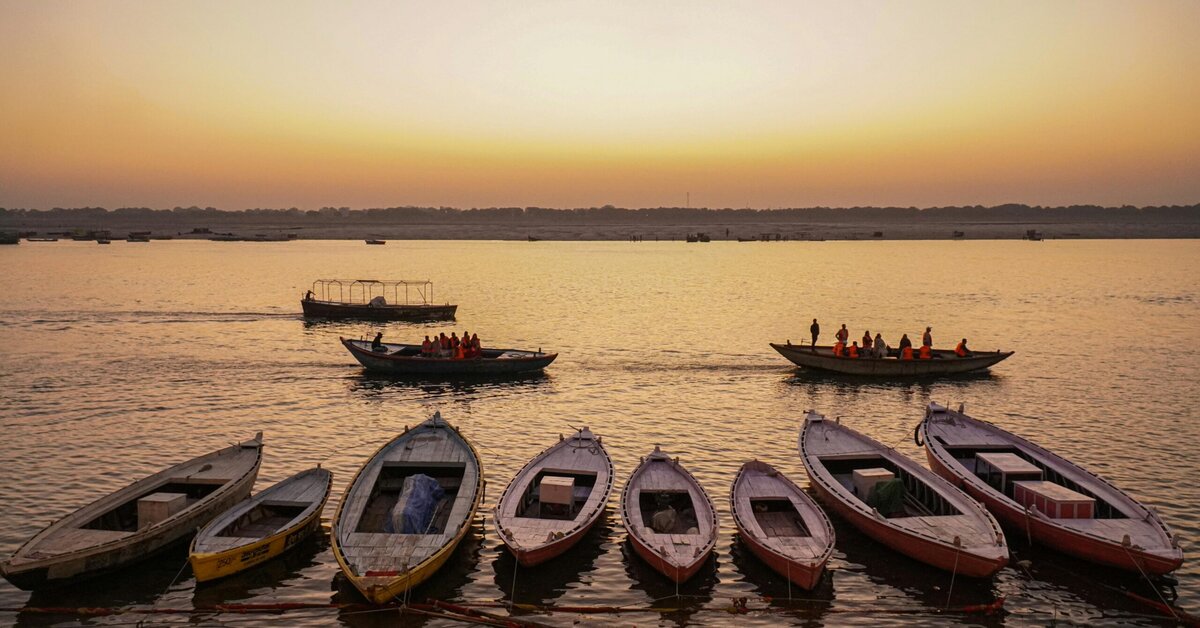
The Martinez Family: This family of four planned their Varanasi trip online, selecting what appeared to be family-friendly experiences. They didn’t realize their morning boat ride would take them past the cremation ghats, where their 7-year-old daughter became deeply upset seeing bodies being burned. The boatman didn’t speak enough English to understand their requests to leave quickly, and the traumatic experience overshadowed their entire trip. A professional guide would have either prepared them or offered alternative routes avoiding that area.
David’s Experience: David prided himself on budget travel skills honed across Southeast Asia. He negotiated what he thought was a great deal for a full-day guide in Varanasi. The “guide” took him to a silk shop where he was pressured into buying overpriced goods. When David tried to leave, he was blocked and told that unless he completed his purchase, they wouldn’t return his passport (which the shop had asked to see for “tax purposes”). He eventually paid €300 for items worth maybe €50 to get his passport back. With a properly credentialed guide, this would never have happened.
Eleanor’s Nightmare: Eleanor, a 68-year-old widow, fulfilled a lifelong dream of visiting Varanasi. She self-planned based on TripAdvisor, booking a “heritage hotel with river views.” Upon arrival, the hotel turned out to be at the top of 70 steep, irregular stairs from the ghat level. With luggage and mobility issues, Eleanor couldn’t manage it. She spent hours trying to find alternative accommodation while fighting dehydration in the heat, eventually ending up in a mediocre hotel far from the ghats because she had no other immediate options.
These aren’t outlier horror stories—they’re representative of problems I’ve heard repeatedly from travelers who self-planned without adequate preparation or judgment.
The Hidden Costs of “Saving Money” Through Self-Planning
Many travelers self-plan to save money. But let’s do an honest accounting:
Time costs: If you spend 40-60 hours researching, planning, and booking—time that has value—how much are you really saving? If those hours have an opportunity cost (you could be working, spending time with family, or actually relaxing), the “savings” shrink.
Overpaying for everything: Self-planners typically overpay systematically for hotels, transportation, activities, and shopping compared to what experienced travelers or local guides negotiate. These markups can easily total $100-300 over a multi-day trip.
Dealing with problems: When things go wrong, self-planners pay premium rates for last-minute solutions. That rickshaw to take you to a different hotel after yours is unacceptable? That’s 3-4x the normal rate. The emergency guide booking after your free guide turns out to be a scammer? You’re paying top dollar.
Lost experiences: Poor planning means you miss optimal timing, waste time being lost, or skip experiences you would have loved because you didn’t know about them. What’s the value of the experiences you didn’t have?
Stress and anxiety: The mental health cost of constant vigilance, navigating problems, and not knowing if you’re making safe decisions has real value. A relaxed, confident trip is worth more than a stressful cheaper one.
Health costs: Getting sick from food choices, air quality issues, or overexertion due to poor planning can cost you days of your trip plus medical expenses.
When you honestly account for all costs—including hidden ones—self-planning often isn’t significantly cheaper than using professional help, and sometimes it’s actually more expensive when things go wrong.
What Professional Help Actually Provides
Let’s talk about what you get when you use reputable tour operators, travel agents, or professional guides:
Local knowledge: Current, accurate information about what’s safe, what’s quality, and what’s worth your time. This knowledge comes from being on the ground daily, not from reading outdated blog posts.
Vetted providers: Hotels, drivers, boat operators, and restaurants that have been personally verified for quality and safety. You’re not gambling on online reviews.
Accountability: If something goes wrong with a provider (hotel, driver, guide), the tour company handles it. They have relationships and leverage. You’re not arguing alone with a rickshaw driver over pricing.
Emergency support: 24/7 contact with someone who can help if there’s a problem. Medical emergency at 2 AM? Call your tour company. Lost and can’t find your hotel? They’ll send someone to get you.
Efficient logistics: No time wasted being lost, waiting for transport that doesn’t show, or figuring out how to get from A to B. This efficiency means you experience more in limited time.
Cultural mediation: A buffer between you and cultural situations you don’t understand, reducing risk of offense or dangerous misunderstandings.
Optimized experiences: Professionals know the best times to visit places, how to avoid crowds, and insider access to experiences you wouldn’t find yourself.
Peace of mind: The psychological benefit of knowing someone local has your back cannot be overstated. You relax and enjoy rather than constantly being vigilant.
The Middle Ground: Hybrid Planning Approaches
You don’t have to choose between complete self-planning and fully guided tours. Hybrid approaches reduce risk while maintaining independence:
Professional planning, independent execution: Hire a travel consultant or planner who creates your itinerary, books your hotel and key experiences, but you execute the plan yourself. You get the expertise without constant guidance.
Book accommodation through reputable agencies: Use established booking platforms or agencies for hotels, ensuring standards are verified, but plan your own daily activities.
Hire guides strategically: Self-plan most of your trip but hire professional guides for 1-2 key experiences where local knowledge and safety matter most—like your first day orientation or temple visits.
Use hotel concierge services: Stay at mid-range or better hotels with quality concierge services, and lean on them for recommendations, bookings, and problem-solving.
Join group tours for specific activities: Self-plan your trip but join organized group tours for complex or risky activities like night walks, food tours, or visits to areas you’re unfamiliar with.
Connect with local contacts: If you have friends, relatives, or business contacts in India, ask them to help arrange certain elements while you plan the rest independently.
These hybrid approaches capture much of the benefit of professional help while maintaining some of the independence and cost savings of self-planning.
When Self-Planning Is Actually Appropriate
Despite all the risks discussed, self-planning isn’t always wrong. It’s appropriate when:
You have relevant experience: You’ve traveled extensively in India before, understand the culture, speak some Hindi, and know how to navigate challenges. Varanasi presents new twists, but you have transferable skills.
You have realistic timelines: You’re not cramming Varanasi into one rushed day but have 4-5+ days, giving you buffer for mistakes and adjustments.
You’re flexible: Your schedule and temperament allow for things going wrong without major consequences. Missing an activity or having to adjust plans doesn’t ruin your trip.
You’ve done thorough research: Not just reading a couple blog posts, but really diving deep—reading recent reviews, joining forums, asking specific questions, and verifying information across multiple sources.
You have appropriate risk tolerance: You’re genuinely comfortable with uncertainty and can handle problems without panicking. You see challenges as part of adventure rather than disasters.
You’re traveling in low-risk configurations: Solo male travelers, couples without mobility issues, or small groups of experienced travelers have lower risk profiles than families with children or solo female travelers.
You have backup resources: Even while self-planning, you’ve identified emergency contacts, quality hotels with concierge services, and have travel insurance with good coverage.
You’re not pushing your limits: If Varanasi represents a huge leap outside your comfort zone—first time in India, first time in an intense spiritual destination, first time navigating without English-centric infrastructure—it’s probably not the place to test yourself.
Tools and Resources That Reduce Risk
If you decide to self-plan despite the risks, these tools and resources help:
Reputable booking platforms: Stick to established platforms like Booking.com, Agoda, or TripAdvisor for hotels. Read recent reviews carefully, especially negative ones.
India travel forums: Reddit’s r/IndiaTravel, Lonely Planet’s Thorn Tree forum, and India-focused Facebook groups provide current information from experienced travelers.
Official tourism resources: UP Tourism (Uttar Pradesh state tourism) provides verified information and lists of licensed guides.
Travel insurance with good coverage: Ensure your insurance covers India specifically and includes medical evacuation, trip interruption, and 24/7 assistance hotlines.
Communication apps: WhatsApp is ubiquitous in India for communicating with hotels, guides, and services. Google Translate helps with language barriers.
Offline maps: Download offline maps of Varanasi to your phone before arrival, as data connectivity can be unreliable.
Health resources: Identify quality hospitals and clinics before you need them. VIBH Medical Center and Heritage Hospital are generally reliable options in Varanasi.
Embassy registration: Register with your country’s embassy in India so they can contact you in emergencies.
Local SIM card: Buy an Indian SIM card immediately upon arrival for reliable communication. Airtel and Jio are reliable providers.
Payment security: Use credit cards with fraud protection rather than debit cards, and notify your bank you’ll be traveling to India.
Questions to Ask Yourself Before Committing to Self-Planning
Before finalizing your decision to self-plan, honestly answer these questions:
- Have I traveled in India before, or is this my first time?
- Am I comfortable navigating in places where English is limited?
- Can I recognize and respond appropriately to scam attempts?
- Do I have the time and energy to handle problems that arise without support?
- Is anyone in my group particularly vulnerable (children, elderly, disabilities)?
- Do I have flexibility in my schedule to absorb delays or changes?
- Have I done enough research to understand the risks specific to Varanasi?
- Do I have emergency backup resources and contingency plans?
- Am I being honest about my capabilities, or am I overconfident?
- What would happen if everything went wrong—could I handle it financially, logistically, and emotionally?
If you answered honestly and most answers suggest you’re unprepared or vulnerable, professional help isn’t weakness—it’s wisdom.
How to Self-Plan Responsibly If You Proceed
If you’ve assessed the risks and decided to proceed with self-planning, do it responsibly:
Invest serious time in research: Don’t rely on a few blog posts. Deep dive into forums, read dozens of reviews, watch multiple YouTube videos, and cross-reference information.
Book accommodation carefully: Choose established hotels with consistent recent reviews, verify their exact location and accessibility, and confirm amenities before booking. Don’t chase the cheapest option if it compromises safety.
Arrange airport/station pickup in advance: Don’t wing it upon arrival. Have confirmed transportation arranged through your hotel or a reputable service.
Share your itinerary: Give detailed plans to someone at home, including hotel information, contact numbers, and daily activities. Check in regularly.
Build in buffer time: Don’t pack your schedule. Allow extra time for navigation, rest, and dealing with unexpected issues.
Have emergency contacts: Identify quality hospitals, police stations, your embassy, and trusted local services before you need them.
Trust your instincts: If something feels wrong—a person, a situation, an offer—trust that feeling and remove yourself.
Be willing to spend more for safety: Don’t compromise on accommodation security, transportation reliability, or food safety to save small amounts of money.
Prepare for common problems: Have plans for getting sick, missing connections, getting lost, or facing scams. Thinking through responses in advance helps you react better in the moment.
Stay connected: Keep your phone charged, have backup power banks, and maintain communication ability at all times.
Learn some basic Hindi: Even phrases like “help,” “stop,” “no,” and numbers help you navigate situations better.
Document everything: Keep records of bookings, receipts, agreements, and problems. This helps if you need to dispute charges or report issues.
Conclusion
Self-planning a Varanasi trip isn’t inherently reckless, but it does carry genuine risks that many travelers underestimate. The difference between a empowering independent adventure and a dangerous situation often comes down to honest self-assessment, thorough preparation, and recognizing when professional help is the wiser choice.
The question isn’t whether self-planning is “good” or “bad”—it’s whether self-planning is appropriate for your specific situation. A experienced India traveler with flexible time and realistic expectations might thrive self-planning Varanasi. A first-time visitor with a family, tight schedule, and limited budget for problems should seriously consider professional support.
There’s no shame in recognizing that a destination exceeds your comfort zone or capabilities and seeking help. In fact, that self-awareness represents maturity and wisdom. The travelers who run into serious trouble are usually those who overestimate their abilities and underestimate the challenges.
Varanasi is an extraordinary destination—ancient, spiritual, intense, and transformative. It deserves to be experienced safely and meaningfully. Whether you achieve that through careful self-planning or with professional support matters less than ensuring you actually achieve it. Make the choice that’s right for your specific circumstances, not based on pride or budget alone.
If you do choose to self-plan, do it with eyes wide open about the risks, with thorough preparation, and with humility about what you don’t know. And if you choose professional help, that’s not a failure of adventure—it’s an investment in experiencing Varanasi at its best rather than at its most stressful.
FAQs
1. Isn’t using tour operators or guides just for tourists who don’t want “authentic” experiences?
This is a common misconception. Professional guides and operators actually provide more authentic experiences, not less. They have relationships with local families, access to ceremonies and locations tourists don’t find, and cultural knowledge that deepens understanding. “Authentic” doesn’t mean struggling alone through preventable problems—it means understanding and engaging meaningfully with what you’re experiencing. Many travelers find that professional guidance opens doors to authentic experiences they’d never discover self-planning.
2. How much more expensive is professional help compared to self-planning in Varanasi?
It varies significantly. A reputable local guide costs roughly ₹2000-4000 ($25-50 USD) per day. A full organized tour with accommodation might be $100-150 per day per person mid-range. Self-planning might cost $60-100 per day per person once you factor in accommodation, food, and activities. So professional help adds 30-50% to costs typically. However, when you account for time spent planning, money lost to overpaying and scams, and costs from problems, the real price difference is often much smaller—sometimes favoring professional help when things go wrong.
3. Can I start self-planned and then hire help if I run into problems?
Yes, but it’s much more expensive and stressful. Emergency guide bookings or last-minute tour arrangements cost premium rates—often 2-3x normal prices. You’ll also have already lost time and possibly money to whatever problem triggered your need for help. It’s like waiting to buy insurance until after the accident. You can do it, but it’s far more costly. If you think you might need help, arrange it proactively rather than reactively.
4. Are there certain times of year when self-planning Varanasi is particularly risky?
Yes. During major festivals (Mahashivratri, Dev Deepawali, Kartik Purnima) and peak tourist season (November-February), Varanasi becomes extremely crowded, accommodations fill up, and scams multiply as demand surges. Self-planning during these periods is significantly riskier because mistakes have bigger consequences—alternative options disappear quickly. Off-season (March-June, July-September), while dealing with heat or monsoons, is actually safer for self-planning because there’s more flexibility and less competition for resources.
5. What’s the single most important thing to get right if I self-plan Varanasi?
Accommodation. Your hotel choice affects literally everything else—your safety, your base of operations, your ability to rest and recover, your access to help when needed, and your overall stress level. A good hotel provides not just a room but a refuge, trusted advice, and support infrastructure. Even if you self-plan everything else, invest in booking a quality, well-reviewed, well-located hotel through a reputable platform. It’s the foundation that everything else builds on, and skimping here to save $20-30 per night can undermine your entire trip.